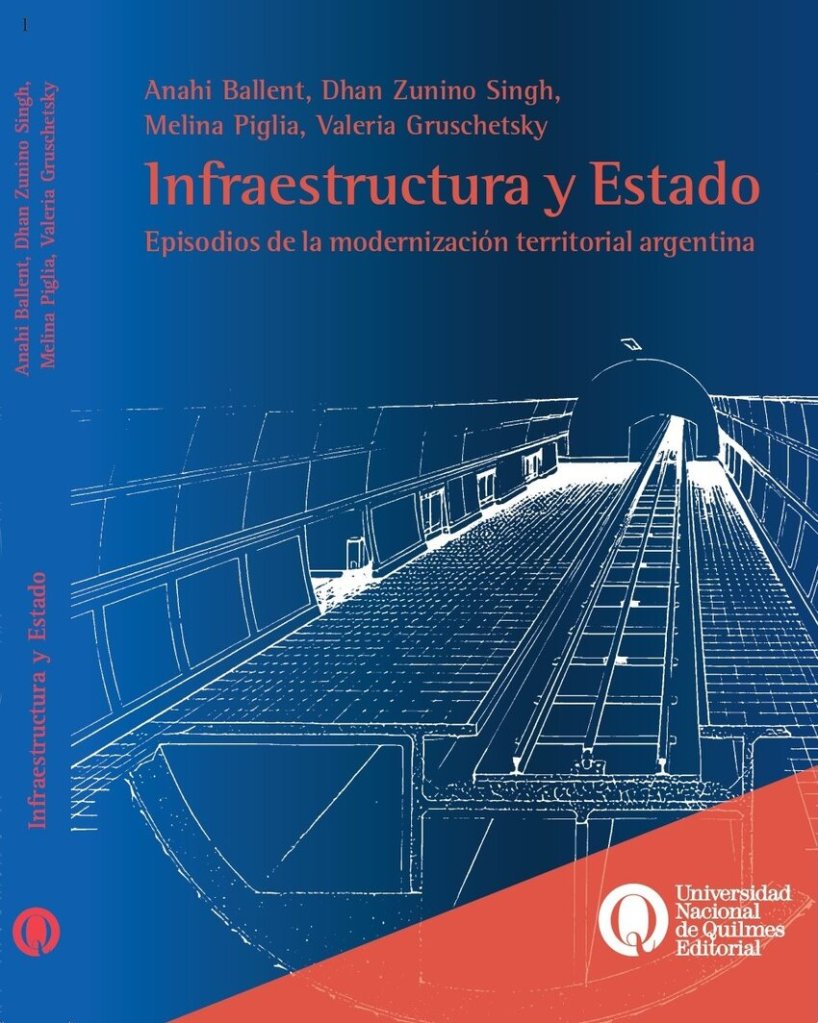
Magdalena Gil analyses Infraestructura y Estado, a book about how Argentina’s highways, metros, and dams are sites of political struggle: where twentieth-century engineers and state projects forged and fractured national modernity and territorial power.
Toward a political history of HIV in Brazil and worldwide

Ramacciotti praises how Cueto and Lopes’ Uma História Global e Brasileira Da AIDS masterfully traces Brazil’s HIV journey from grassroots activism to universal treatment, and recent neoliberal setbacks. This political history reveals how local struggles with stigma, pharmaceutical giants, and health as a human right shaped a global model, proving epidemics are never just biological.
Denaturalizing the human–animal bond: care, species, and individuals
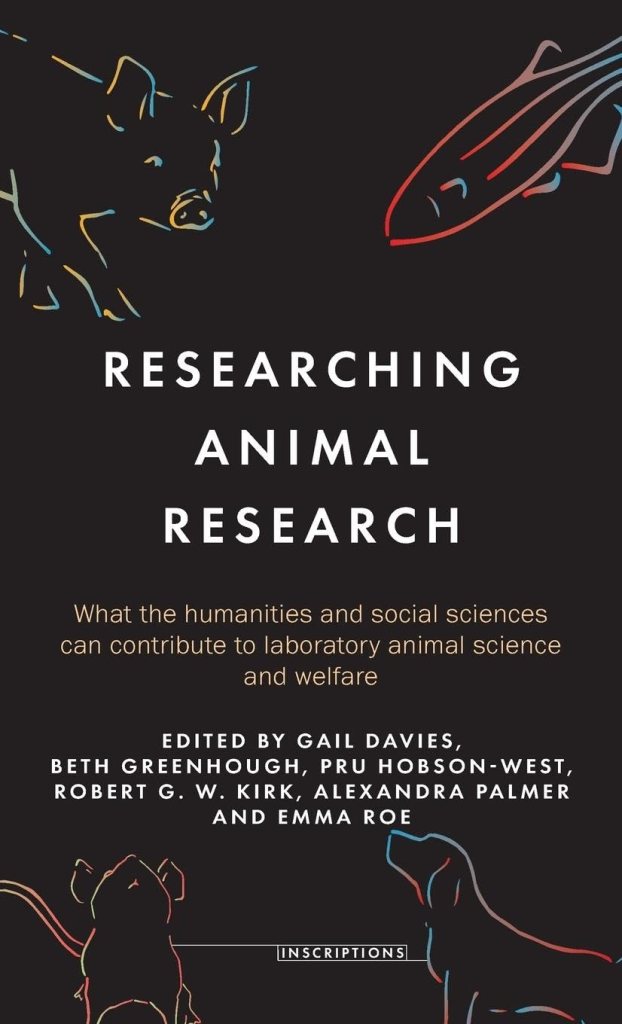
This review examines two books that challenge our assumptions about human-animal relationships. Dog Politics deconstructs the “species story” of dogs, while Researching Animal Research explores the politics of laboratory animal welfare. Together, they argue for a critical, denaturalized view of how we care for and classify animals.
Trazas, oficios y territorios

Catalina Cortés Severino’s review of Trazas, oficios y territorios highlights how it weaves Indigenous crafts, microscopic biology, and cave paintings into a methodological tapestry—where research-creation becomes worldmaking through porous, tactile encounters with image and material.
Coloquio Infraestructuras, ciudad y actores: pensar la materialidad y lo urbano

According to Vasilis Galis, Disabled ecologies is a radical, conceptually rich study linking disability, aquifers, and environmental harm. The book redefines environmentalism through crip politics, anti-capitalism, and multispecies justice, a “much-wanted example of why disability is an intersectional phenomenon”.
An Ethnographic Inventory: Field Devices for Anthropological Inquiry

According to Ion Fernández de las Heras, An Ethnographic Inventory reframes fieldwork as creative prototyping—where anthropologists, artists, and designers craft ‘how-to’ devices from improvisation. Less archive than toolkit, it celebrates irreplicable moments of methodological invention.
The Land is Our Community
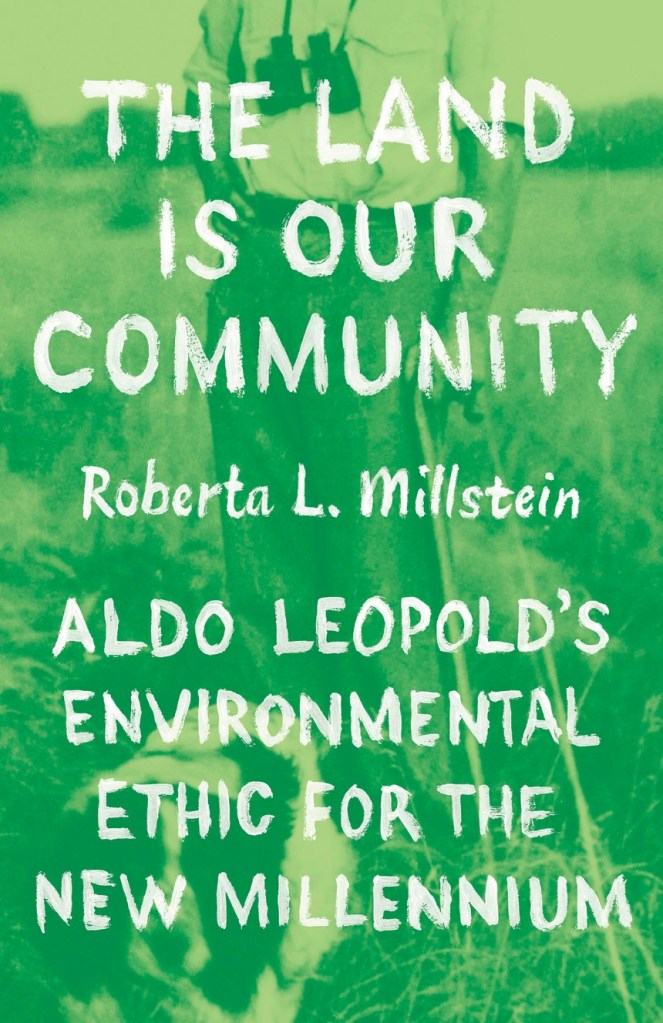
Luis Zambrano praises the philosophical depth of Roberta Millstein’s The Land is Our Community, as it reexamines Aldo Leopold’s environmental ethics, sparking vital conversations about humanity’s moral relationship with nature. Nonetheless, Luis questions some ecological analogies, calling it a crucial starting point for bridging science and ethics.
Disrupting the Patrón
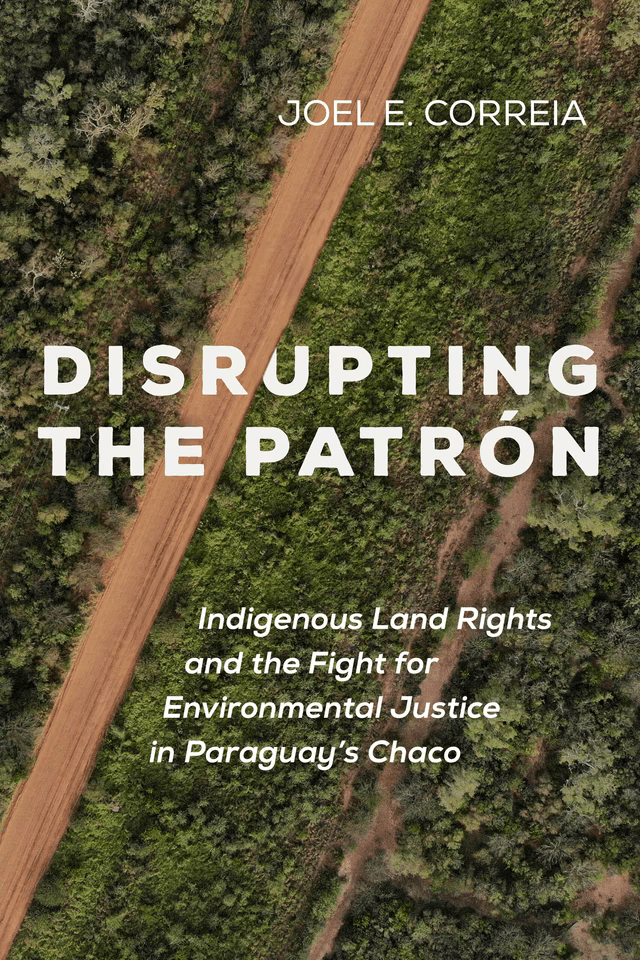
Joel Correia’s Disrupting the Patrón traces Sanapaná and Enxet resistance in Paraguay’s Chaco, blending settler colonial critique with Indigenous agency. In his review, Eduardo Romero Dianderas applauds the ethnographic rigor, but yearns for more on Indigenous visions beyond dispossession.
Nadando contra las corrientes: Lilian Harrison y los cruces a nado en la década de 1920

In Nadando contra las corrientes, Matthew Brown and Pablo Ariel Scharagrodsky explore Lilian Harrison’s groundbreaking swim across the Río de la Plata, offering a rich analysis of gender, sports, and medicine in 1920s Argentina. Reviewer Suzanne Rubinstein praises the book for its transnational scope and its fresh perspective on women’s roles in sports history.
SPECTACLES OF WASTE

In Spectacles of Waste, Warwick Anderson examines the cultural politics of human excrement, which reviewer Alexis Bedolla Velázquez praises for its fresh critique of colonial binaries and its call for ecological reimagining of waste.
SCIENCE AND DEMOCRACY. A SCIENCE AND TECHNOLOGY STUDIES APPROACH
Julian Iñaki Goñi reviews Linda Soneryd and Göran Sundqvist’s Science and Democracy, which offers a sharp STS lens on the interplay of science and governance, yet he critiques its focus on administration sidesteps democracy’s transformative, emancipatory potential.
Ciencia, tecnología y sociedad. Abordajes desde Argentina, Brasil y México
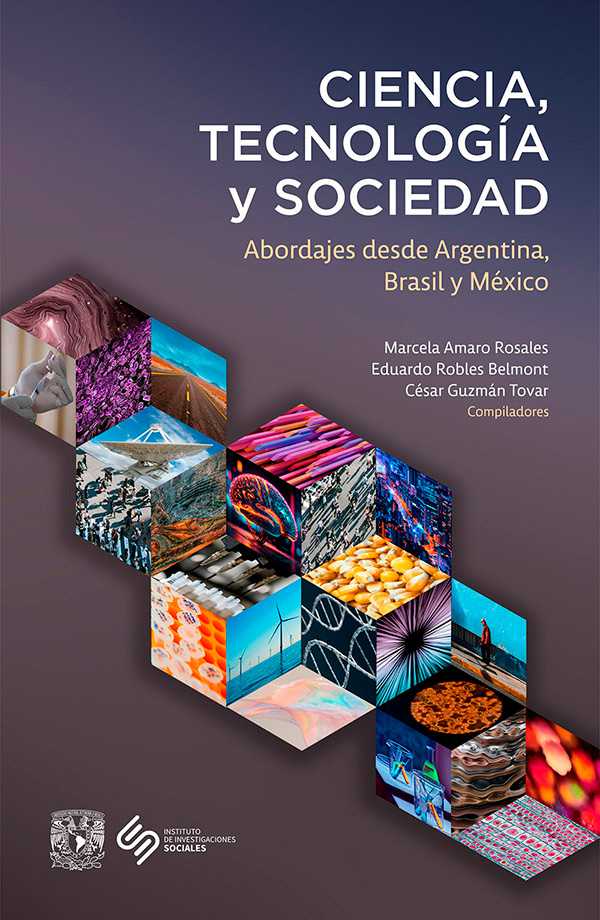
In his review of “Ciencia, tecnología y sociedad. Abordajes desde Argentina, Brasil y México”, Vitor Chiodi speculates on the unique identity of Science and Technology Studies (STS) in Latin America. This 2024 compilation of case studies highlights local perspectives, politics, and theory, offering a thought-provoking exploration of Latin American STS’s future.
admirável novo mundo: uma história da ocupação humana nas américas

In his book review, Marcos Castro Carvalho praises Admirável Novo Mundo as a landmark work combining investigative journalism, historical analysis, and sociotechnical controversy mapping. Carvalho highlights Bernardo Esteves’ South American perspective on the human occupation of the Americas, challenging dominant Global North paradigms like the “Clovis first” model and emphasizing the power dynamics in archaeological validation. Marcos commends Esteves’ exploration of dating methods, taphonomy, and archaeogenetics, alongside his critical stance on “archaeological imperialism” and respect for Indigenous voices, and positions the book as an essential text for understanding the interplay of science, politics, and deep histories in the Americas.
Different Engines: Media Technologies from Latin America

In this review of Different Engines: Media Technologies from Latin America by Andrés Burbano, Marina Fontolan highlights the author’s emphasis on the intersection of art and technology in Latin American innovations. As the book examines overlooked histories, creative processes, and alternative technological pathways, it challenges Global North narratives. Ideal for scholars in STS and Latin American Studies, it offers fresh insights into media technology’s development.
ELECTRIFYING MEXICO: TECHNOLOGY AND THE TRANSFORMATION OF THE MODERN CITY
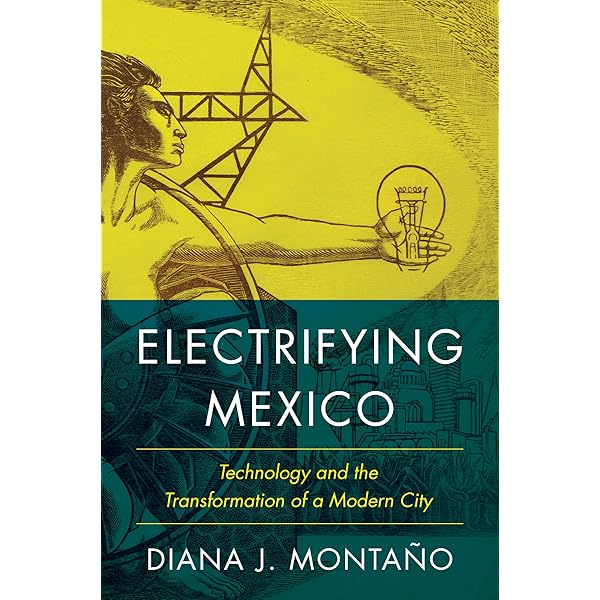
In this review of Electrifying Mexico, Adolfo Mejía-Montero explores Diana Montaño’s engaging analysis of how electricity transformed Mexico City, shaping modern urban identities through class, race, and technology, while also examining the capitalinos’ role in democratizing and redefining power.
The Spectacular Generic. Pharmaceuticals and the simipolitical in Mexico,

In The Spectacular Generic. Pharmaceuticals and the simipolitical in Mexico, Cori Hayden explores Mexico’s pharmaceutical landscape through the lens of Farmacias Similares and its mascot, Dr. Simi. Sandra P. González-Santos’ review highlights how Hayden masterfully navigates the blurred boundaries between patented, generic, and “similar” drugs, revealing the transformative simipolitical power of this iconic chain and its role in reshaping healthcare access for millions of Mexicans.
THE OXFORD HANDBOOK OF Expertise and democratic politics

In their review of the 2023 Oxford Handbook of Expertise and Democratic Politics, María Fernanda Díaz and Julian “Iñaki” Goñi commend its comprehensive insights into expertise in democracy but argue it needs deeper exploration of democratic theory, geopolitical dimensions, and Southern knowledge to fully enrich its discussion.
The Globalization of Wheat
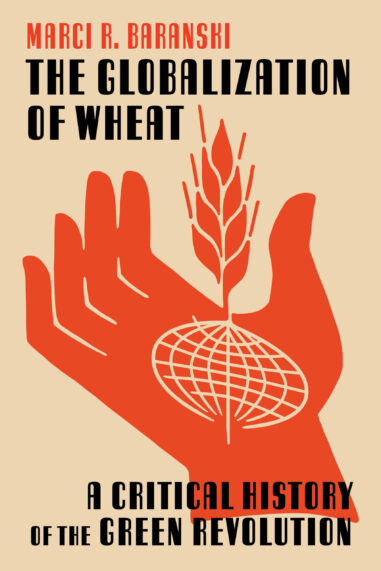
In his review of “The Globalization of Wheat” by Marci Baranksi, Felipe Trujillo Bilbao critically examines the Green Revolution’s impact on wheat breeding and agricultural development. Baranksi challenges the prevailing narrative of technological triumph, highlighting how wide adaptation marginalized smallholder farmers. This book offers a nuanced history of technology, emphasizing the need for inclusive agricultural practices. Trujillo Bilbao underscores Baranksi’s call to reassess past technologies, urging scientists, policymakers, and citizens to critically examine their societal impacts. The review illuminates a pivotal shift in understanding the complexities of agricultural innovation and development.
Routledge Handbook of the Digital Environmental Humanities
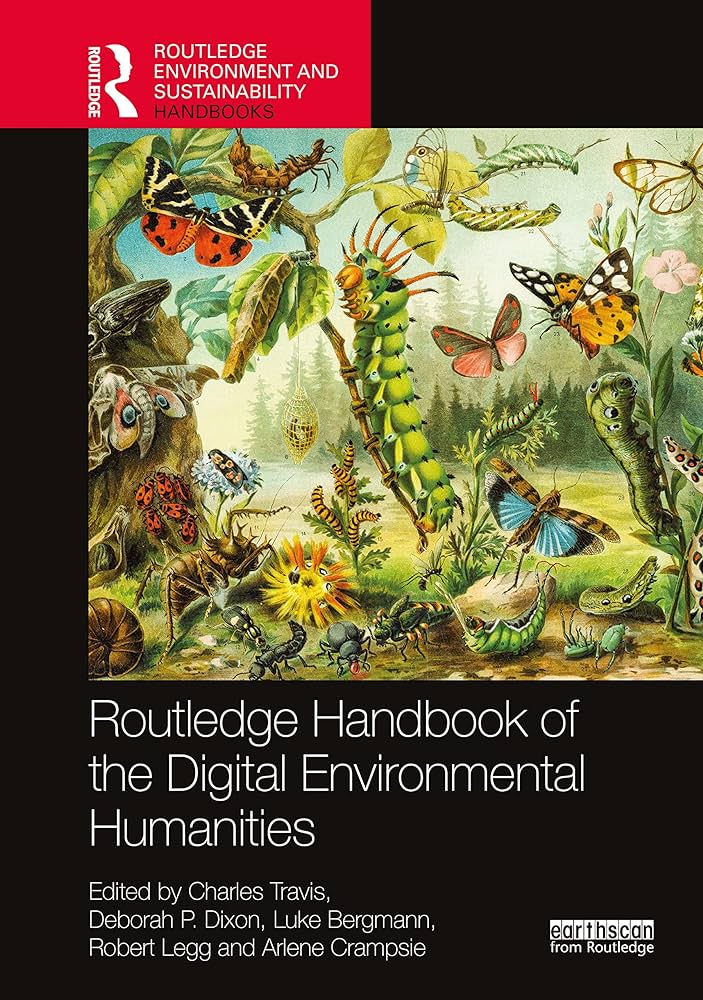
In his review of the “Routledge Handbook of the Digital Environmental Humanities,” Alejandro Ponce de León-Calero examines the transformative potential of digital tools in reshaping environmental narratives. He explores how these technologies foster interdisciplinary engagements and address urgent socio-ecological challenges. Through a comprehensive analysis of the handbook’s contributions, he emphasizes the importance of methodological innovation in the Environmental Humanities, encouraging new ways of understanding and engaging with our environment.
Technology of the oppressed: inequity and the digital mundane in favelas of Brazil

The book review by Manuela Rocha and Joabi Santos examines David Nemer’s Technology of the Oppressed: Inequity and the Digital Mundane in Favelas of Brazil. Nemer conducts an ethnographic study, analyzing how favela residents utilize everyday technologies, spaces, and processes to alleviate oppression in their lives. Applying the concept of Mundane Technologies, he explores acts of repair, spaces like Community Technology Centers (CTCs) and Lan Houses, and the significance of social media in favelas. Drawing from Paulo Freire’s concepts, Nemer portrays these adaptations as acts of hope for liberation. However, while discussing the transformative potential of technology, the reviewers emphasize the book failure to critically analyze the deep-rooted structural inequalities of race, class, and gender in society.
Inscriptions of Nature: Geology and the Naturalization of Antiquity
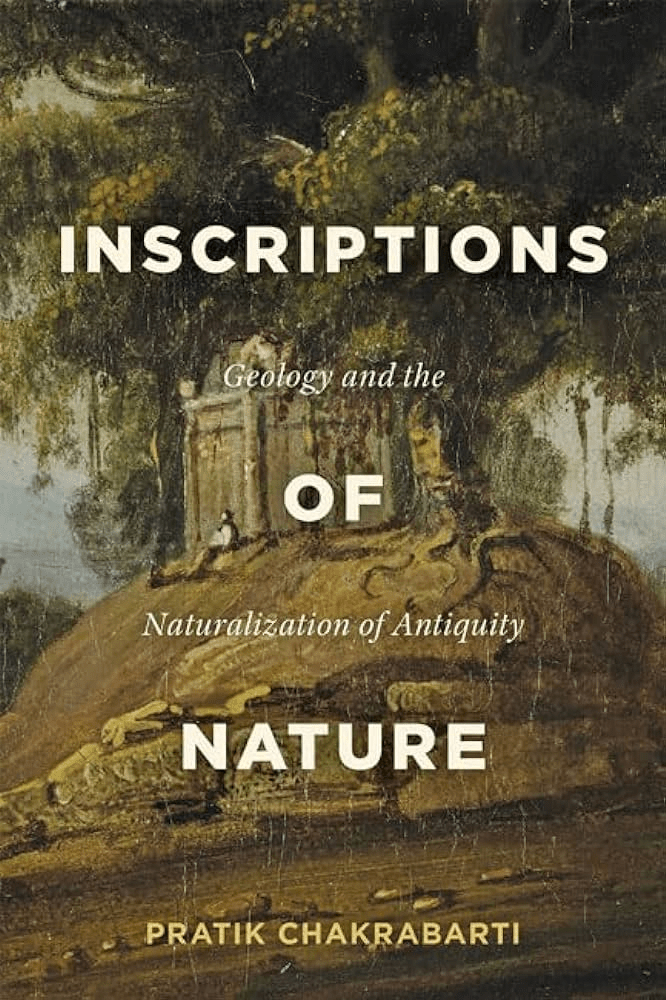
Inscriptions of Nature: Geology and the Naturalization of Antiquity, two authors independently analyze Pratik Chakrabati’s thesis that history became naturalized through geology in colonial India, as “deep time” emerged within the violent frameworks of European resource extractivism. The proposition of a “past unlimited” for studying imperial India outside the strict (secular) epistemological norms of the “modern” sciences can be productive (Maria Paz Almenara) or confounding.
Knowers of the Unseen: disputes over sufi knowledge and practice
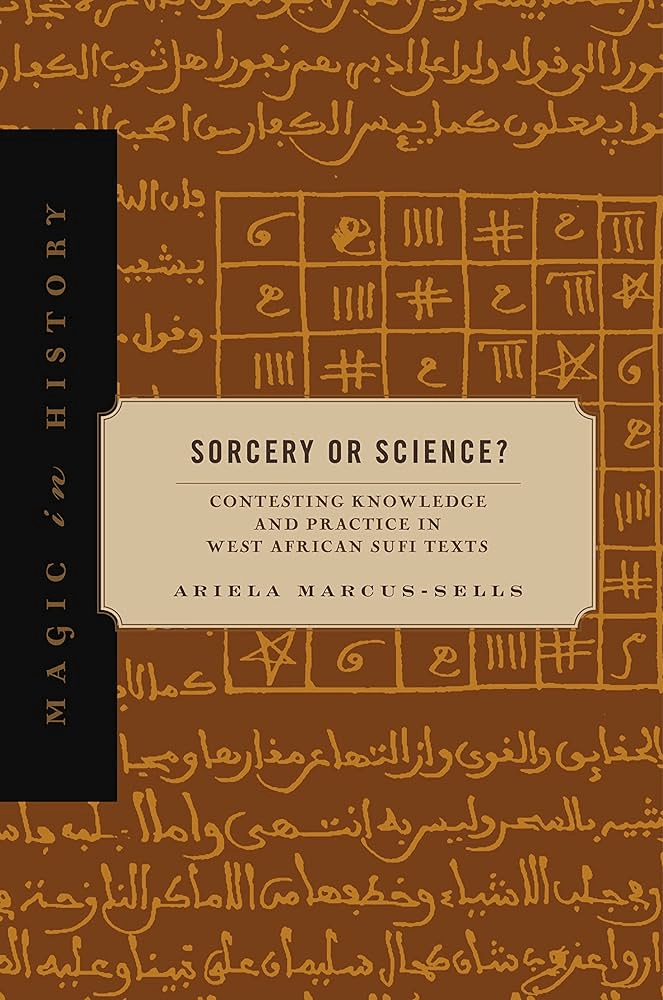
Bárbara Burton brings into focus the methodological challenges recognized by the author’s study of sufi knowledge in central Africa in the 19th century, which also become entry points for engagement with the book. Among these are the nature of the sources, which refer to a sphere of human activity that is impossible to grasp only through written documents, and the author’s respect for native characterizations of Kunta sufi knowledge and practice as sciences of the Unseen (in opposition to sorcery or magic). Burton invites us to reconsider the interpretation of the dismissal of sufi knowledge because of a miscomprehension of native terms, and approach it instead as an intentional definition of the ideological weapon of colonialism.
STEVIA: CONOCIMIENTO, PROPIEDAD INTELECTUAL Y ACUMULACIÓN DE CAPITAL
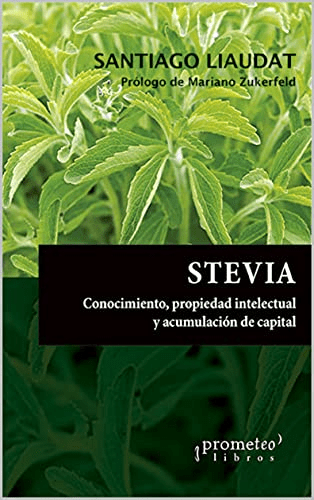
The first intervention is to piece together the complex history of Stevia, the second is to argue that the appropriation of knowledge is a key engine of capitalist value production, and a third significant move in Stevia is to enjoin critical Latin American STS and history of science scholars to attend to reconsider the status given to “scientific excellence” in the history of Latin American science.
CONOCIMIENTOS, SOCIEDADES Y TECNOLOGÍAS EN AMÉRICA LATINA: VIEJOS MODELOS Y DESENCANTOS, NUEVOS HORIZONTES Y DESAFÍOS
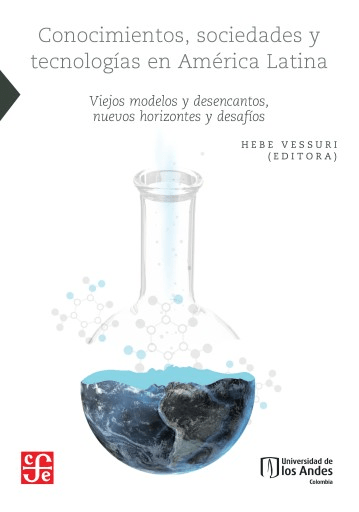
1. The discussions raised (pre-pandemic) are sensitive to current (post-pandemic) issues, and in dialogue with the entire global production of knowledge. 2. The book is a catalog of problems and clues for further research in Latin American STS (and beyond). 3. The book is also a roadmap, as the issues traversing the texts trace lines of interpretation that make explicit where we are standing, but also show us the places we can go from here.
 Tapuya: Latin American Science, Technology and Society